What is a Septic Tank Inspection?
A failing septic system can turn into one of the most expensive surprises a buyer ever faces.
Inside the Box inspects the visible components of the system; the tank location, access points, baffles, venting, and the drain field area. We do this to look for warning signs of leaks, backups, or premature failure.
Septic Inspections
- Introduce fluorescent dye at a nearby fixture
- Run water at a typical use rate for about 10 to 15 minutes
- Walk probable tank and field path to check for surfacing or odors
- Note sluggish drains or gurgling at fixtures
- Fast, non invasive, informational
- Locate and expose two access lids, additional as needed
- Inspect baffles or tees, liquid levels, visible tank condition
- Measure scum and sludge to estimate pumping needs
- Sewer scope up to 100 ft from interior cleanout to tank inlet
- Check pump chamber, floats or alarm, and distribution box if present
- Walk absorption area for seepage, ponding, and odors
- Full component evaluation plus dye screening in one visit
- Best picture of condition with basic functional screening
- Saves compared to booking separately
- Good for vacant homes or when concerns already exist
- Hydraulic load test two day protocol – $375
- Additional camera access work no cleanout or multiple runs – quoted on site
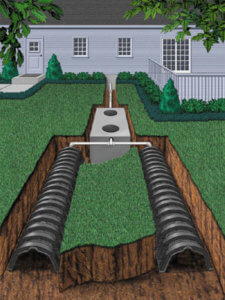
For a more complete evaluation, the tank may need to be pumped and inspected internally.
That requires the homeowner’s permission to dig up and expose the tank lids, since they’re often buried. We’ll never start digging without approval.
Your report will outline what was inspected, note any conditions that could shorten the system’s life, and explain county-specific rules that may apply.
If repairs or pumping are needed, we’ll point you toward the right licensed professionals for follow-up.
Type 1 Bundle Add-On Testing Baseline screenings that stack smart. Bundles are a thank you for choosing Inside the Box. Click to expand Click to collapse
What’s in Type 1
- Radon: 2 charcoal canisters, lab analysis
- Mold and IAQ Snapshot: 2 air samples, spore ID and levels
- Essential Water Check: screening for coliform, nitrates, nitrites
- WDO for Loans: visual plus targeted moisture
- Well System Check: head, cap, casing, tank review
- Septic Dye Screening: noninvasive dye and load
- Sewer Scope: main line camera up to 100 ft
- Pool and Spa: visual, function, safety notes
Single Type 1 screening
Choose any one Type 1 test.
Popular value combo
Pick any two Type 1 tests. Suggested pairs: Mold + Sewer or Water + Radon or Well + Septic.
Balanced coverage
Pick any three Type 1 tests. Typical trio: Radon + Mold and IAQ + Essential Water.
Wide net for surprises
Pick any four Type 1 tests. Common mix adds a systems check like Well, Septic, or Sewer Scope.
Keep stacking without full price
Add as many as you want at the add-on rate. Examples: round it out with Pool and Spa or WDO.
How bundles work
Type 1 screenings are fast snapshots that surface issues.
If results or site conditions suggest more complexity, I recommend targeted Type 2 testing so you get real answers instead of guesswork.
On-site findings are usually same day. Lab timing varies by test.
Smart upgrade pricing
Upgrade credit: if we move from a Type 1 to a deeper Type 2, every dollar already paid is credited. You pay the difference only. No restart tax.
When upgrades make sense:
- Lab flags or on-site readings suggest more detail
- Loan or insurance needs stricter documentation
- Health concerns or water quality red flags
- Agent or buyer wants deeper due diligence
Fair-play policies
- Free remediation re-test within 3 years
- If a lab result is inconclusive for no clear reason or due to my obvious error, I re-test at no cost
- Add-on results don’t carry the $100 same day guarantee for the main inspection
- Most on-site findings are same day. Lab results are typically 1 to 3 business days
- No trip fees ever
- If access is denied after you’ve paid, I’ll find an alternative or refund or switch the test
Type 2 Bundle Add-On Testing
Mix and match any Type 2 test. Type 2 includes everything in Type 1 plus more. Upgrade credit applies when we move from Type 1 to Type 2 during the same appointment.
Click to expand
Click to collapse
Type 2 Bundle Add-On Testing
1 Test
2 Tests
3 Tests
4 Tests
What’s in a Type 2 Test? Click to expand Click to collapse
Septic Inspection FAQ
Septic systems can be confusing and expensive if problems go unnoticed. Here are the questions homeowners ask most before scheduling a septic inspection.
A septic inspection evaluates the visible, accessible components of the system. This includes the tank location, lids, baffles, drain field area, flow patterns, dye/load testing (if applicable), signs of backups, and overall function. The goal is to catch major problems early and verify the system is working safely.
A dye test introduces harmless colored dye into the home’s plumbing system under normal water flow. The goal is to see whether the system accepts the flow properly or if wastewater surfaces in the yard, backs up, or proves overloaded. It helps identify failures without digging up the system.
Yes, if you have booked an **open-lid septic evaluation**, I inspect the inside of the tank, the condition of the baffles, sludge levels, and structural integrity. If you booked the **non-invasive dye test**, the tank is not opened. Opening a tank requires proper lid access and is a deeper level of evaluation.
Common signs include slow drains, foul odors, wet or spongy soil over the drain field, gurgling pipes, sewage backups, lush green stripes in the yard, or wastewater pooling above ground. A septic inspection helps identify these issues before they turn into expensive repairs.
Most systems should be pumped every 3 to 5 years depending on tank size, household size, and usage. If the previous owner has not maintained the system, it’s especially important to inspect it before buying the home.
It can reveal major issues, but the inspection itself does not “fail” anything. It simply gives buyers clear information. If a system is failing or unsafe, the buyer can negotiate repairs, plan for replacement, or walk away. Better to know now than get stuck with a $20,000 surprise later.
Yes, I evaluate accessible components such as pumps, alarms, electrical connections, floats, and aeration units when present. Some advanced systems may require a licensed septic contractor for full testing or service.
Yes. I use tools, historical layout knowledge, and visual clues to identify likely tank and drain field locations. If the system is buried deep or unusually placed, additional probing or contractor services may be needed.
Yes. I provide clear, detailed documentation of the inspection findings. Some lenders require specific wording or forms, and I can help supply what they need based on the type of inspection performed.
A septic dye test usually takes around an hour. An open-lid septic evaluation is more in-depth and takes longer depending on access and conditions. Combining a septic inspection with a home inspection is very common and saves time for everyone involved.
Have more questions about septic systems or need a deeper evaluation?