Mold Inspection and Air Quality Tests
What is Mold and Indoor Air Quality Testing?
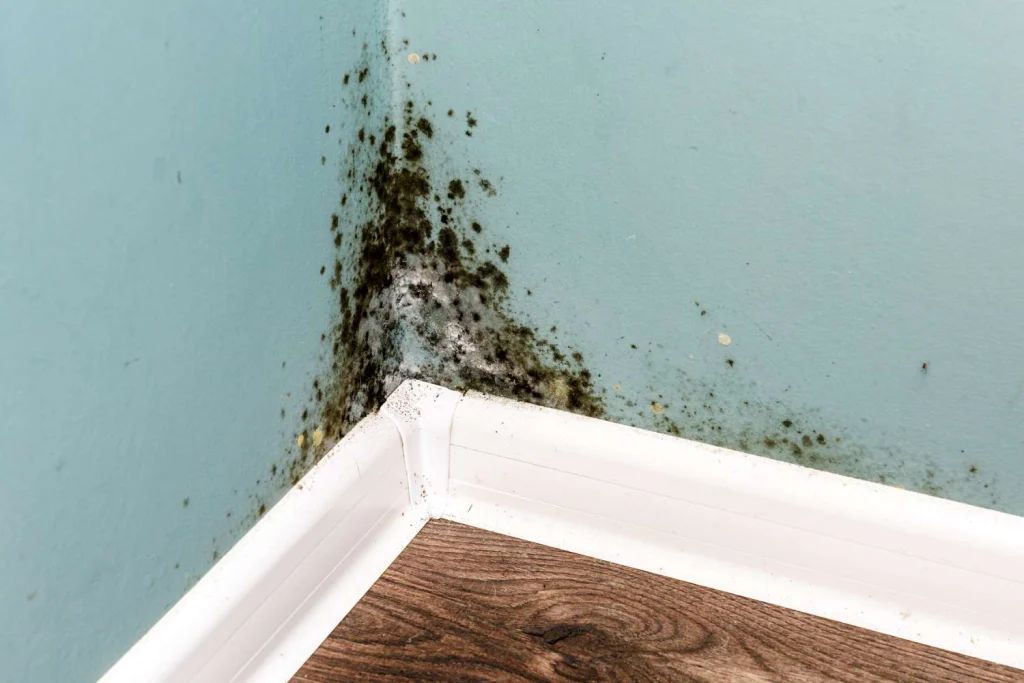
Mold doesn’t always announce itself with black spots on the wall.
It often hides in attics, basements, crawlspaces.
It always affects the air you breathe.
Mold and poor indoor air quality can trigger allergies, asthma, and long-term health issues.
Indoor Air Quality & Mold Testing
- 2-sample set: 1 outdoor baseline and 1 indoor living space
- Lab report focused on indoor air particulates and categories
- UPS Next Day shipping included for faster turnaround
- Plain-English interpretation and practical next steps
- 5 total tests: 3 indoor air, 1 outdoor baseline, plus 1 surface sample if needed
- Includes all IAQ reporting from Type 1
- Targeted borescope checks where access is granted
- Chain-of-custody handling, context, and recommendations
- UPS Next Day shipping included for faster turnaround
- Use for extra rooms, floors, or separate living spaces
- Helpful for areas with past leaks or recurring symptoms
- Surface tape or swab sampling when indicated
- Great for follow-up after cleaning or mitigation
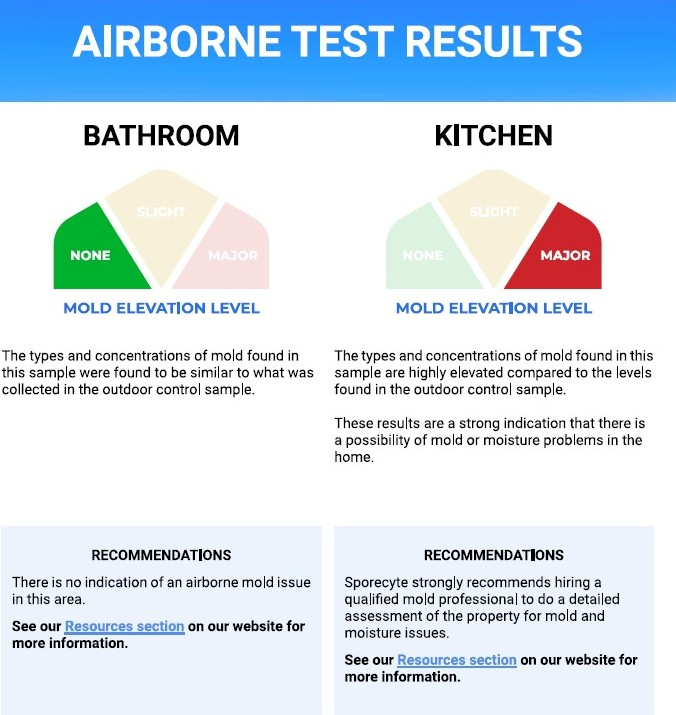
Mold & Air QUALITY Report Sample
Real samples of the report you get
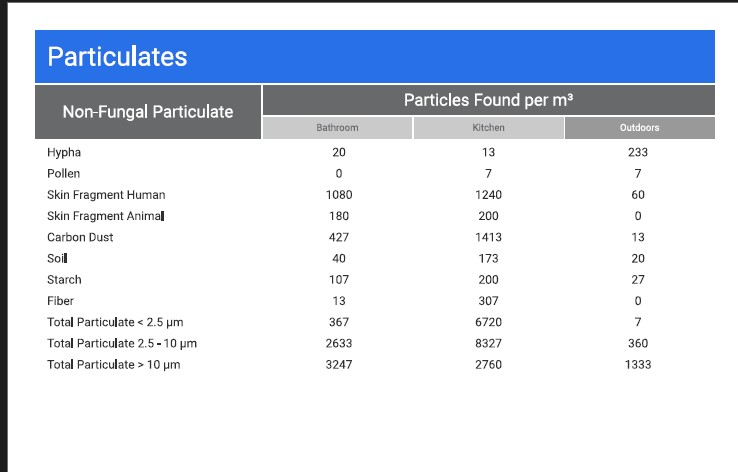
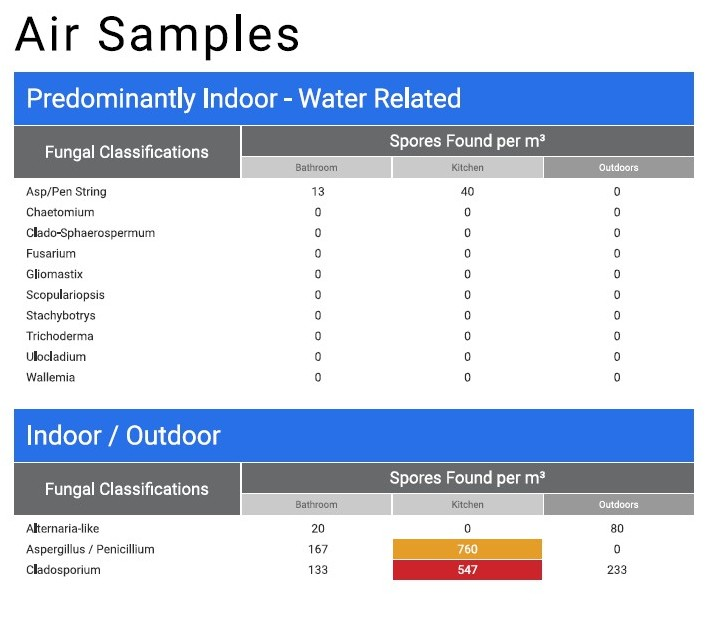
Inside the Box uses air sampling pumps that pull measured volumes of air through cassettes, plus surface swabs or tape lifts where visible growth is suspected.
All samples are sent to an accredited laboratory, which analyzes spore counts and identifies the exact types of mold present.
Results come back with clear explanations, so you know whether your air is normal, borderline, or needs action.
Type 1 Bundle Add-On Testing Baseline screenings that stack smart. Bundles are a thank you for choosing Inside the Box. Click to expand Click to collapse
What’s in Type 1
- Radon: 2 charcoal canisters, lab analysis
- Mold and IAQ Snapshot: 2 air samples, spore ID and levels
- Essential Water Check: screening for coliform, nitrates, nitrites
- WDO for Loans: visual plus targeted moisture
- Well System Check: head, cap, casing, tank review
- Septic Dye Screening: noninvasive dye and load
- Sewer Scope: main line camera up to 100 ft
- Pool and Spa: visual, function, safety notes
Single Type 1 screening
Choose any one Type 1 test.
Popular value combo
Pick any two Type 1 tests. Suggested pairs: Mold + Sewer or Water + Radon or Well + Septic.
Balanced coverage
Pick any three Type 1 tests. Typical trio: Radon + Mold and IAQ + Essential Water.
Wide net for surprises
Pick any four Type 1 tests. Common mix adds a systems check like Well, Septic, or Sewer Scope.
Keep stacking without full price
Add as many as you want at the add-on rate. Examples: round it out with Pool and Spa or WDO.
How bundles work
Type 1 screenings are fast snapshots that surface issues.
If results or site conditions suggest more complexity, I recommend targeted Type 2 testing so you get real answers instead of guesswork.
On-site findings are usually same day. Lab timing varies by test.
Smart upgrade pricing
Upgrade credit: if we move from a Type 1 to a deeper Type 2, every dollar already paid is credited. You pay the difference only. No restart tax.
When upgrades make sense:
- Lab flags or on-site readings suggest more detail
- Loan or insurance needs stricter documentation
- Health concerns or water quality red flags
- Agent or buyer wants deeper due diligence
Fair-play policies
- Free remediation re-test within 3 years
- If a lab result is inconclusive for no clear reason or due to my obvious error, I re-test at no cost
- Add-on results don’t carry the $100 same day guarantee for the main inspection
- Most on-site findings are same day. Lab results are typically 1 to 3 business days
- No trip fees ever
- If access is denied after you’ve paid, I’ll find an alternative or refund or switch the test
Type 2 Bundle Add-On Testing
Mix and match any Type 2 test. Type 2 includes everything in Type 1 plus more. Upgrade credit applies when we move from Type 1 to Type 2 during the same appointment.
Click to expand
Click to collapse
Type 2 Bundle Add-On Testing
1 Test
2 Tests
3 Tests
4 Tests
What’s in a Type 2 Test? Click to expand Click to collapse
Questions about Mold and Indoor Air Quality Testing
Not sure if mold and indoor air quality testing is worth it? Here are straight answers to the questions homeowners ask most.
What is mold and indoor air quality testing?
Mold and indoor air quality testing is a way to sample the air and sometimes surfaces in your home to see what you are actually breathing. It looks for mold spores, particles, and other junk in the air so you are not guessing based on looks or smell alone.
Why would I get mold testing if I cannot see mold?
A lot of mold problems never show up as big black spots on the wall. Testing can pick up elevated spore levels that come from areas you cannot see, like behind finished walls, under flooring, above ceilings, or inside mechanical spaces. It acts as an early warning system before things turn into major tear out jobs.
Can mold and air testing help find hidden moisture issues?
Yes. Mold needs moisture to grow, so unusual patterns in the test results can point toward leaks, condensation, or damp building materials that are not obvious yet. Testing will not replace opening walls, but it is a strong starting point to narrow down where hidden moisture may be lurking.
Who should consider mold and indoor air quality testing?
Testing is especially helpful for people with asthma, allergies, chronic sinus issues, or anyone who is immune compromised. It is also smart for families with young kids or elderly adults in the home, since they can be more sensitive to poor air quality and mold exposure.
What problems can air testing help uncover besides mold?
Depending on the type of test, results can highlight ventilation problems, stale or trapped air, high humidity pockets, contaminated dust, and areas where the HVAC system may be spreading particles around the home. It can also help you figure out if that musty smell is from mold, bacteria, or something else entirely.
Is mold and indoor air quality testing useful after a water leak or past mold problem?
Absolutely. After a water event, renovation, or mold cleanup, testing can confirm whether the air quality has returned to normal or if there are still elevated levels that need more attention. It is a simple way to verify that the work was done properly and not just covered up with paint.
When is the best time to schedule mold and indoor air quality testing?
Good times to test include before buying a home, after noticing musty odors, after a leak or flood, before finishing a basement, or when someone in the home has ongoing symptoms that seem worse while they are inside the house. It also works well as a baseline test if you just want to know where you stand today.
Still not sure if mold and indoor air quality testing makes sense for your home?