What is a Sewer Scope?
A home’s main sewer line is out of sight, but when it fails the repairs can run into the thousands.
Root intrusion, cracks, bellies, and collapsed sections are common in older lines, and the only way to know for sure is to look inside.
Sewer Scope
- Scope from accessible cleanout toward street or septic connection up to 100 ft
- Identify cracks offsets root intrusion corrosion and low spots
- Provide still images and video with key notes
- Clear recommendations for cleaning repairs or further evaluation
- Add roof plumbing stack entry when safe and practical
- Scope multiple cleanouts or selected branch lines on request
- Improves coverage and helps locate hidden blockages
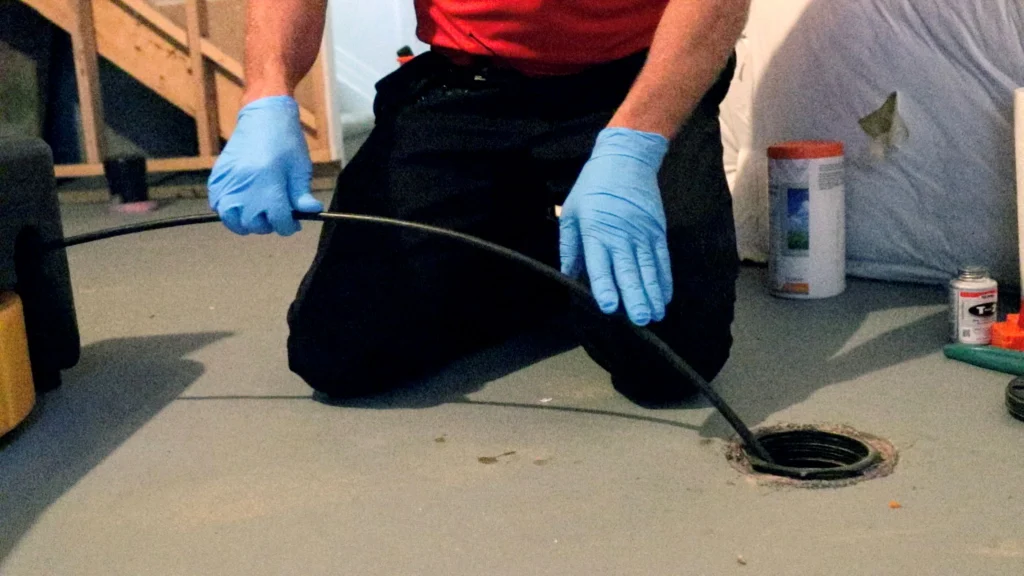
Inside the Box offers sewer scope inspections using a specialized camera that is fed through the clean-out, floor drain, or roof vent.
The camera records a video of the line from the home to the city tap or septic tank, capturing any blockages or defects.
Because the scope requires access to the property’s plumbing system, we need the homeowner’s permission before running the camera.
Once complete, you’ll receive photos and video along with a plain-English explanation of what we found.
Type 1 Bundle Add-On Testing Baseline screenings that stack smart. Bundles are a thank you for choosing Inside the Box. Click to expand Click to collapse
What’s in Type 1
- Radon: 2 charcoal canisters, lab analysis
- Mold and IAQ Snapshot: 2 air samples, spore ID and levels
- Essential Water Check: screening for coliform, nitrates, nitrites
- WDO for Loans: visual plus targeted moisture
- Well System Check: head, cap, casing, tank review
- Septic Dye Screening: noninvasive dye and load
- Sewer Scope: main line camera up to 100 ft
- Pool and Spa: visual, function, safety notes
Single Type 1 screening
Choose any one Type 1 test.
Popular value combo
Pick any two Type 1 tests. Suggested pairs: Mold + Sewer or Water + Radon or Well + Septic.
Balanced coverage
Pick any three Type 1 tests. Typical trio: Radon + Mold and IAQ + Essential Water.
Wide net for surprises
Pick any four Type 1 tests. Common mix adds a systems check like Well, Septic, or Sewer Scope.
Keep stacking without full price
Add as many as you want at the add-on rate. Examples: round it out with Pool and Spa or WDO.
How bundles work
Type 1 screenings are fast snapshots that surface issues.
If results or site conditions suggest more complexity, I recommend targeted Type 2 testing so you get real answers instead of guesswork.
On-site findings are usually same day. Lab timing varies by test.
Smart upgrade pricing
Upgrade credit: if we move from a Type 1 to a deeper Type 2, every dollar already paid is credited. You pay the difference only. No restart tax.
When upgrades make sense:
- Lab flags or on-site readings suggest more detail
- Loan or insurance needs stricter documentation
- Health concerns or water quality red flags
- Agent or buyer wants deeper due diligence
Fair-play policies
- Free remediation re-test within 3 years
- If a lab result is inconclusive for no clear reason or due to my obvious error, I re-test at no cost
- Add-on results don’t carry the $100 same day guarantee for the main inspection
- Most on-site findings are same day. Lab results are typically 1 to 3 business days
- No trip fees ever
- If access is denied after you’ve paid, I’ll find an alternative or refund or switch the test
Type 2 Bundle Add-On Testing
Mix and match any Type 2 test. Type 2 includes everything in Type 1 plus more. Upgrade credit applies when we move from Type 1 to Type 2 during the same appointment.
Click to expand
Click to collapse
Type 2 Bundle Add-On Testing
1 Test
2 Tests
3 Tests
4 Tests
What’s in a Type 2 Test? Click to expand Click to collapse
Sewer Scope Inspection FAQ
A sewer scope is one of the smartest add-ons a buyer can get. Here are the questions homeowners and agents ask most before scheduling one.
A sewer scope is a video inspection of the main underground sewer line from the home to the street or septic tank. A specialized camera is inserted into the line to check for damage, blockages, roots, bellies, cracks, and materials that may cause future problems.
Because sewer repairs are expensive. A failing sewer line can cost thousands to tens of thousands of dollars to repair or replace. A sewer scope can detect issues early, help you negotiate repairs, or give you peace of mind before purchasing the home.
Common issues include tree root intrusion, cracks, collapsed sections, improper slope, standing water (bellies), pipe corrosion, offsets, blockages, and damaged joints. Older homes with clay or cast iron pipes are especially prone to problems.
I use the most accessible and safest entry point, typically a cleanout, floor drain, or sometimes the plumbing vent (when appropriate). Each home is different, and I select the method that provides the best chance of reaching the full line without causing damage.
No. The camera is designed for this purpose and is flexible, smooth, and safe for the pipe. The process is non-invasive and does not harm the plumbing or the home.
Most of the time, yes. However, blockages, heavy root intrusion, collapsed sections, or inaccessible cleanouts can limit travel. Even partial scopes often reveal major red flags that justify further evaluation.
Yes. You receive clear video footage and a written summary of what was found. This helps with negotiation, future repairs, and documentation for plumbers or contractors.
Most sewer scopes take 30 to 60 minutes depending on access, pipe length, and conditions. It pairs perfectly with a home inspection without adding much time.
I identify the problem and recommend the appropriate professional, such as a licensed plumber or sewer contractor. The scope video is extremely helpful for getting accurate quotes and negotiating with sellers.
Not always, but older homes are at higher risk due to aging materials like clay tile, Orangeburg, cast iron, or galvanized lines. Even newer homes can have problems caused by roots, construction damage, poor slope, or improper installation.
Want to know if your sewer line is in good shape?