
What is a residential Well Inspection?
A private well is the lifeline of a home, and it needs to be inspected just as carefully as the roof or foundation.
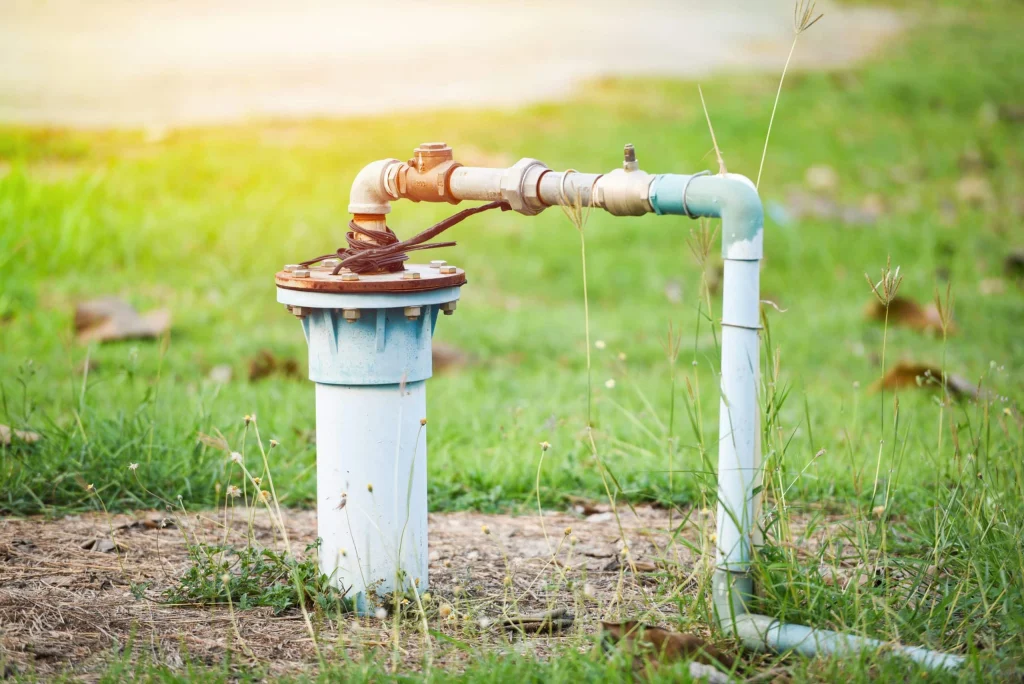
Inside the Box checks the visible components of the well system.
This includes the well head, pressure tank, pump controls, wiring, and safety features.
This Well Inspection is to confirm everything is installed properly and functioning as intended.
Well Inspections
- Visual review of well head, sanitary cap, casing, and pitless adapter
- Exterior plumbing, visible conduit, switches, and pressure controls
- Pressure tank assessment: pressure readings, short-cycling signs, gauge function
- Leak checks at fittings, valves, unions, and adjacent floor area
- Basic electrical safety checks at accessible components: polarity, GFCI where present, bonding risks noted
- Corrosion, rust, scale, and moisture staining observations
- Basic function check where systems are on and accessible
- Everything in A Well System Check
- Measured flow rate at a representative fixture with a sustained draw
- Recovery observations: pump cycling, pressure drop, and rebound
- Helps reveal weak wells, undersized tanks, clogged filters, or pumps trending toward failure
- Real-world planning: simultaneous use for kitchen, laundry, shower, or irrigation without guesswork
- Documented readings with clear, prioritized recommendations
What is a Flow Test?
For clients who want to go deeper, we offer an optional flow test add-on.
This test measures how much water the system can consistently deliver over time and whether pressure drops off under continuous use.
Because a flow test can require running water for hours, we always need the homeowner’s permission before performing it to avoid surprises with water usage or septic strain.
Your inspection report will outline the condition of the system, note any safety or maintenance concerns, and recommend next steps if problems are found.
Type 1 Bundle Add-On Testing Baseline screenings that stack smart. Bundles are a thank you for choosing Inside the Box. Click to expand Click to collapse
What’s in Type 1
- Radon: 2 charcoal canisters, lab analysis
- Mold and IAQ Snapshot: 2 air samples, spore ID and levels
- Essential Water Check: screening for coliform, nitrates, nitrites
- WDO for Loans: visual plus targeted moisture
- Well System Check: head, cap, casing, tank review
- Septic Dye Screening: noninvasive dye and load
- Sewer Scope: main line camera up to 100 ft
- Pool and Spa: visual, function, safety notes
Single Type 1 screening
Choose any one Type 1 test.
Popular value combo
Pick any two Type 1 tests. Suggested pairs: Mold + Sewer or Water + Radon or Well + Septic.
Balanced coverage
Pick any three Type 1 tests. Typical trio: Radon + Mold and IAQ + Essential Water.
Wide net for surprises
Pick any four Type 1 tests. Common mix adds a systems check like Well, Septic, or Sewer Scope.
Keep stacking without full price
Add as many as you want at the add-on rate. Examples: round it out with Pool and Spa or WDO.
How bundles work
Type 1 screenings are fast snapshots that surface issues.
If results or site conditions suggest more complexity, I recommend targeted Type 2 testing so you get real answers instead of guesswork.
On-site findings are usually same day. Lab timing varies by test.
Smart upgrade pricing
Upgrade credit: if we move from a Type 1 to a deeper Type 2, every dollar already paid is credited. You pay the difference only. No restart tax.
When upgrades make sense:
- Lab flags or on-site readings suggest more detail
- Loan or insurance needs stricter documentation
- Health concerns or water quality red flags
- Agent or buyer wants deeper due diligence
Fair-play policies
- Free remediation re-test within 3 years
- If a lab result is inconclusive for no clear reason or due to my obvious error, I re-test at no cost
- Add-on results don’t carry the $100 same day guarantee for the main inspection
- Most on-site findings are same day. Lab results are typically 1 to 3 business days
- No trip fees ever
- If access is denied after you’ve paid, I’ll find an alternative or refund or switch the test
Type 2 Bundle Add-On Testing
Mix and match any Type 2 test. Type 2 includes everything in Type 1 plus more. Upgrade credit applies when we move from Type 1 to Type 2 during the same appointment.
Click to expand
Click to collapse
Type 2 Bundle Add-On Testing
1 Test
2 Tests
3 Tests
4 Tests
What’s in a Type 2 Test? Click to expand Click to collapse
Well Inspection and Flow Test FAQ
Private wells can be safe, reliable, and cost-effective… but only if the system is working properly. These Q&As explain what’s included in a well inspection and why a flow test matters.
A standard well inspection includes a visual assessment of the well head, casing, cap, pitless adapter, exposed plumbing, pressure tank, pressure switch, electrical connections, signs of leakage, corrosion, and overall system condition. I check all visible components for safety, maintenance issues, and obvious defects.
Wells are not monitored by the city. If something fails, you’re paying for it. A failing pump, bad pressure tank, or unsafe well cap can cost thousands. A proper inspection helps catch issues early and gives you real information before you buy the home.
A flow test evaluates how much water the well can produce and how steadily it maintains pressure. It simulates real household use by running water for a set time while monitoring pressure, recovery time, and flow rate. This helps determine if the well can keep up with daily use or if it struggles under load.
No. A visual inspection checks safety and condition, but it does not measure performance. The flow test is an enhanced service that gives you real data about the well’s output, pressure stability, pump behavior, and recovery rate.
A flow test can uncover: • a weak pump • a short-cycling pressure tank • slow well recovery • clogged or failing well components • pressure drops during normal use • wells that cannot support large households • signs of leaks or restrictions These issues are often invisible during a standard inspection.
Water testing is separate but highly recommended. Water quality and well performance are two different things. Testing checks for bacteria, nitrates, lead, and contaminants. The well inspection focuses on the equipment and mechanics.
A standard well inspection takes about 30 to 45 minutes. A flow test typically adds 20 to 40 minutes depending on the well’s output and recovery time. When bundled with a home inspection, everything is streamlined.
I document the issue, explain the severity, and advise the next steps. You may need a well contractor to diagnose further. Problems like short cycling, low flow, or slow recovery can indicate aging pumps, failing tanks, leaks, or insufficient water supply.
No. The test simulates normal household use. It will not harm a healthy well. If a system fails during the test, it was already failing. This actually protects buyers from inheriting hidden issues.
Most lenders require at least water testing for safety. Some require documentation of well condition or output when the home is on a private well. Even when not required, well and flow testing is a smart investment due to the potential cost of repairs.
Want to make sure your well system is safe and producing enough water?
Here is some more info about Well’s in the state of Michigan